

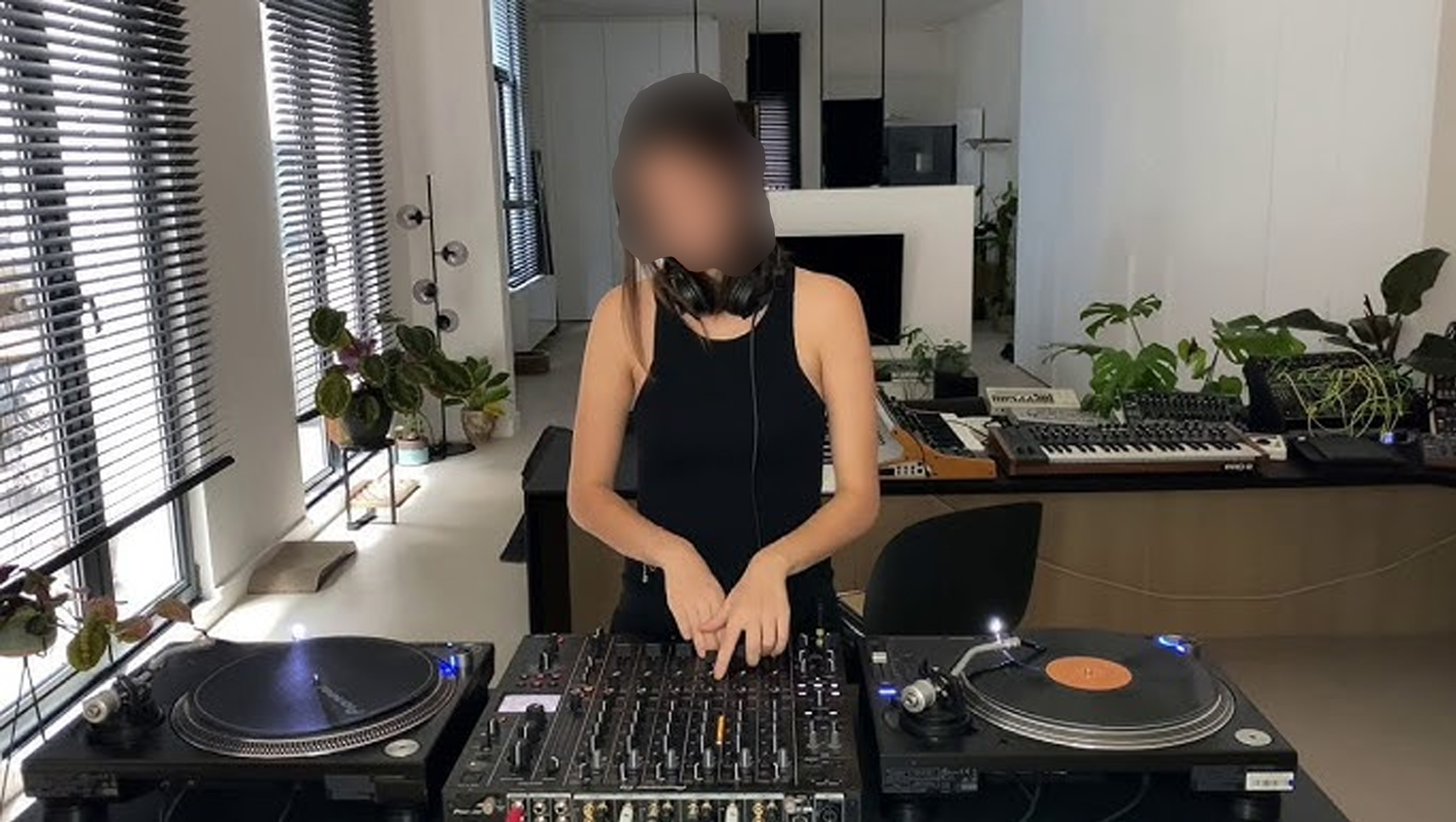
During the Covid lockdowns, when clubs were closed and live music had essentially stopped, many big DJs began streaming sets from their homes and studios. I watched plenty of them. The music was often great. The settings, however, were universally incredibly dull.
These were artists whose careers were built around creativity, image and atmosphere, yet many streams looked as though a set of decks had simply been placed against the nearest wall, perhaps with some house plants thrown in. More often than not, there was little thought given to lighting, composition, artwork or the space surrounding the performer. To me, this seemed like a huge missed opportunity.
Record labels could have commissioned sets that evolved with each release. DJs could have collaborated with illustrators, set designers, film makers or VJs. Club promoters and festivals could have recreated part of their identity through graphics, staging and lighting, keeping their brands alive while physical events were impossible. Instead, many merely resembled a Zoom call, except with decks.
It got me thinking about the space behind us when we appear on screen. Whether you are a DJ, streamer, podcaster, YouTuber or small business owner, the background is not empty space. It is part of the image you present and part of your brand.
Research into video conferencing found that most people believe controlling their background helps them create a positive impression, while more than half say they judge others partly by what appears behind them.
Other studies found that backgrounds featuring plants or bookcases were associated with greater trust and competence than novelty or visibly domestic settings. Blank or blurred backgrounds can also make somebody seem less warm or authentic.
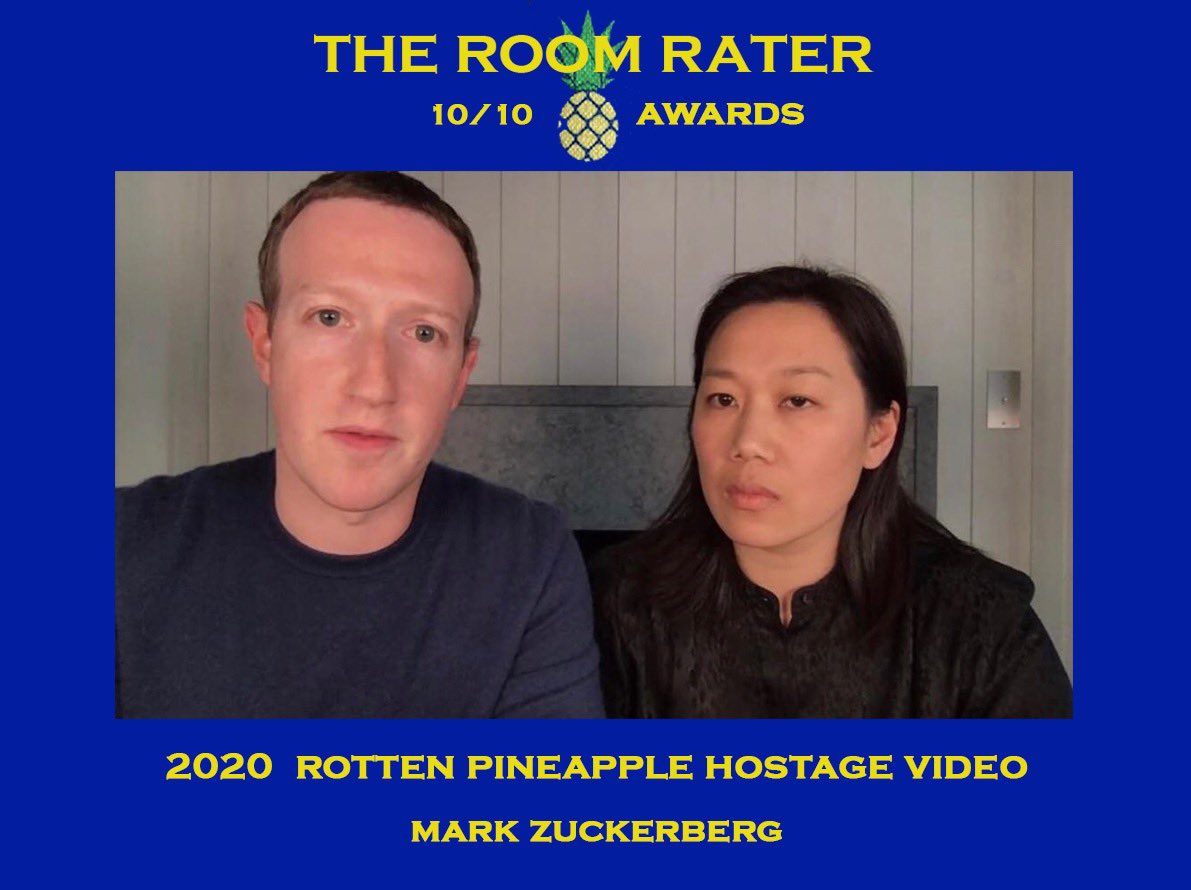
The popular Room Rater account which became known for judging the backgrounds of people appearing television from home video broadcasts, described plain walls as creating a “hostage video” effect. It is funny because it is instantly recognisable. Somebody sitting rigidly in front of a bare wall may believe they look serious and professional, but the result can feel oddly bleak, impersonal or even slightly threatening and sinister.
People often choose non-revealing backgrounds because they think hiding everything personal will make them appear more competent. However, research suggests viewers often prefer backgrounds that reveal something about the person, because they make them seem warmer without making them appear any less capable. Personality and professionalism are not opposites.
The studies focused on professional video calls, but the same process applies. Viewers absorb everything within the frame. Lighting, furniture, artwork and colour all help shape whether somebody appears interesting, trustworthy, professional or forgettable. This does not mean displaying your entire home to strangers. It means recognising that removing every trace of personality is still a design decision, and not necessarily a good one.
For creators who appear regularly online, the same space may be seen every week. Over time, it can become as recognisable as a logo or colour palette. A gaming streamer might draw on arcade graphics, a DJ could use artwork linked to releases, and a film podcast could adapt its set around each subject. A strong backdrop can also provide a recognisable setting for clips and campaigns. The background is not dead space. It is unused media space.
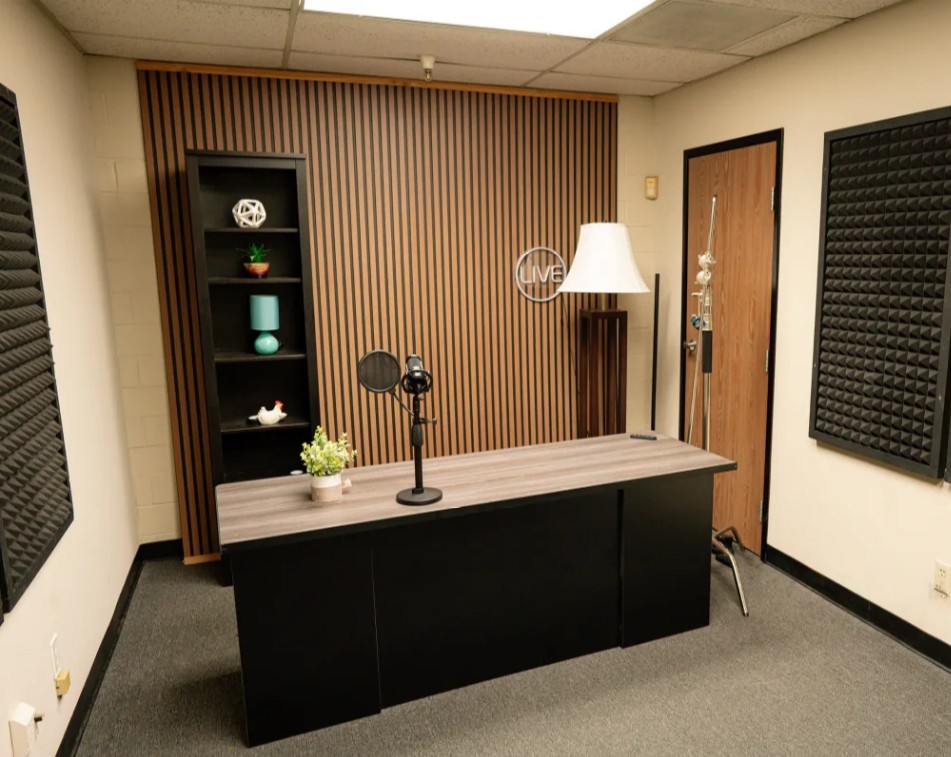
More creators now understand that their surroundings matter. Unfortunately, many merely respond by copying everyone else. The standard video podcast set is instantly recognisable: wooden acoustic slats, fake oversized plants, colour arranged books, warm lamps, domestic furniture, a huge microphone and a cursive neon logo.
None of these things are inherently bad. The problem is that they are often used without any meaningful connection to the creator, subject or audience. They communicate “podcast” very clearly, but rarely communicate which podcast it is. We have moved from no visual identity to everybody having the same visual identity.
Before buying furniture, lights or decorative objects, creators should decide what they want the space to communicate. Who is the audience? What should viewers feel and remember? Should the space feel energetic, intimate, playful or confrontational? Does it reflect the creator and the content? Does it stand apart from competitors?
Too many people buy fashionable objects and try to build an identity from them afterwards. Good design works in the opposite direction. Identity and purpose should determine the furniture, colours, artwork, lighting and layout.
Virtual backgrounds can be useful when space or privacy is limited, and animated visuals can work brilliantly as part of a DJ performance. However, constantly moving backgrounds can increase fatigue. A physical setting usually offers greater depth and personality, but either approach can fail if it distracts from the content. Does the background support what is happening, or compete with it?
Most people do not have the space or budget to dedicate a whole room to content creation. Fortunately, they do not need to. An effective on screen environment might involve one wall or a carefully planned corner, using artwork, panels, shelving, lighting or furniture positioned around the camera angle. It should also consider sound, storage, cables and vertical social media crops. A successful backdrop is not simply decoration. It is a small set.
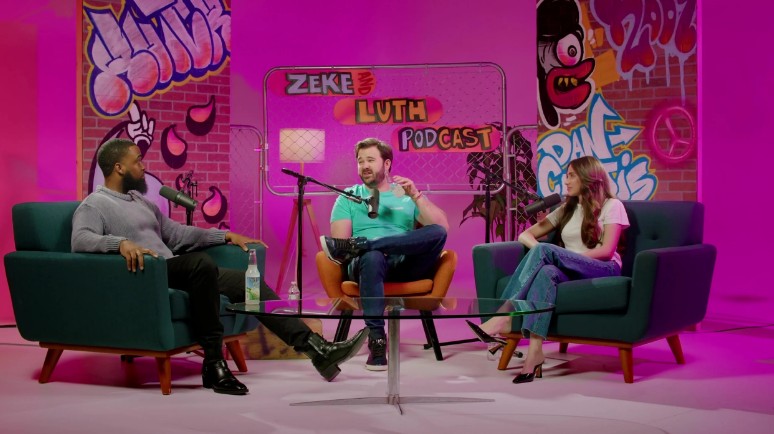
Fortunately, Acid House Designs offers bespoke backdrop and on screen space design for streamers, YouTubers, creators, podcasters and DJs (thanks for asking!), so get in touch and we will help you stand out.